
Four services, usually bought together.
From a single retrofit panel to plant-wide SCADA — always documented the same way, and always leaving you the source code, the drawings and an engineer who picks up the phone.
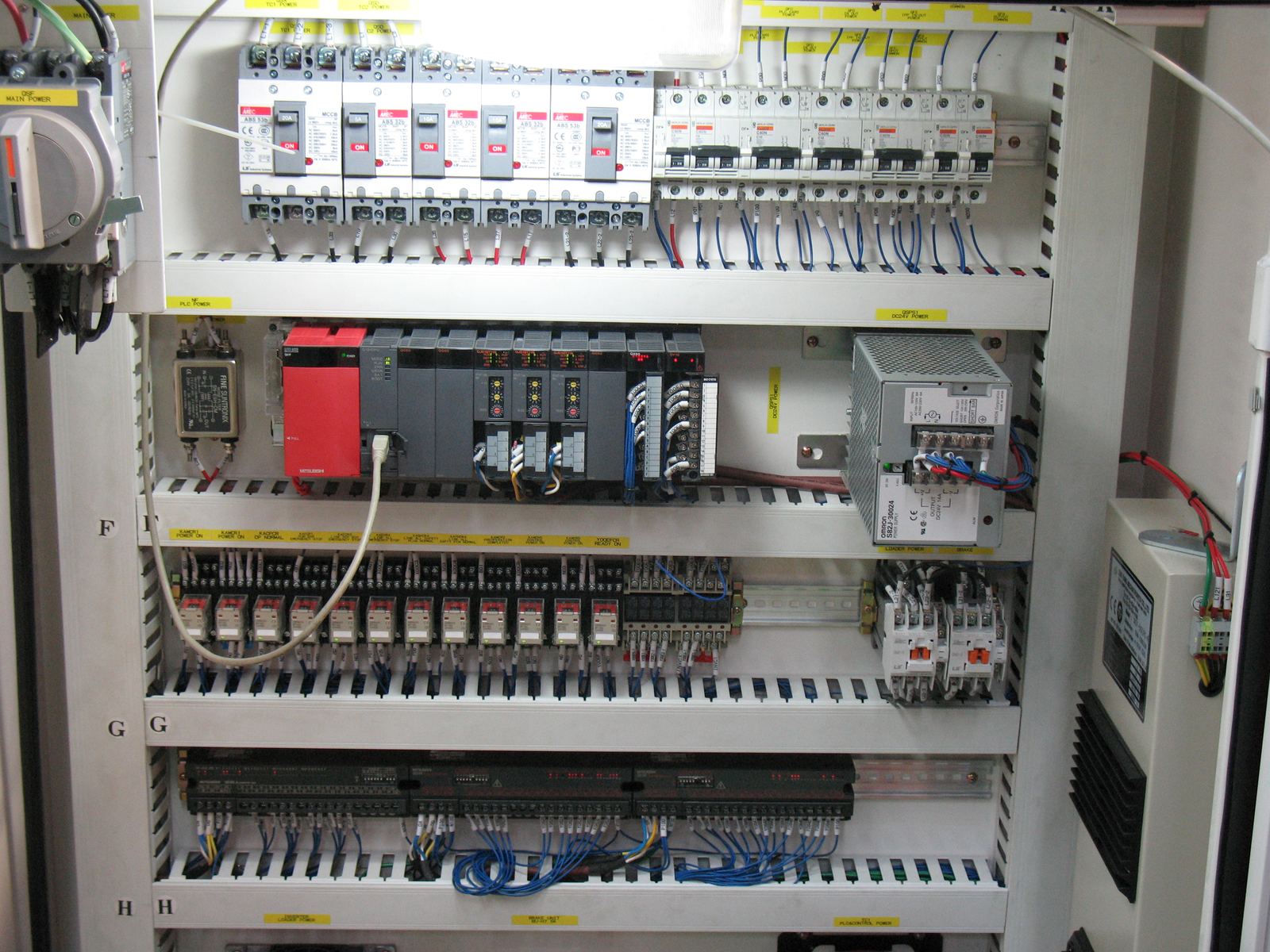
Control logic written to be read by the next engineer.
We design and program the system that runs a machine or a whole line — motors, valves, sensors, conveyors, interlocks and safety circuits. Consistent naming, commented blocks, and a functional design spec you sign before anyone starts typing. Mostly Siemens S7 in TIA Portal and Rockwell Logix in Studio 5000.
- Functional design specification and I/O list
- Sequencing, recipe handling and interlocks
- Safety PLC and emergency stop circuits
- Factory and site acceptance testing against the spec
Good fit when — you are commissioning a new line, adding a machine, or nobody wants to touch the current logic.
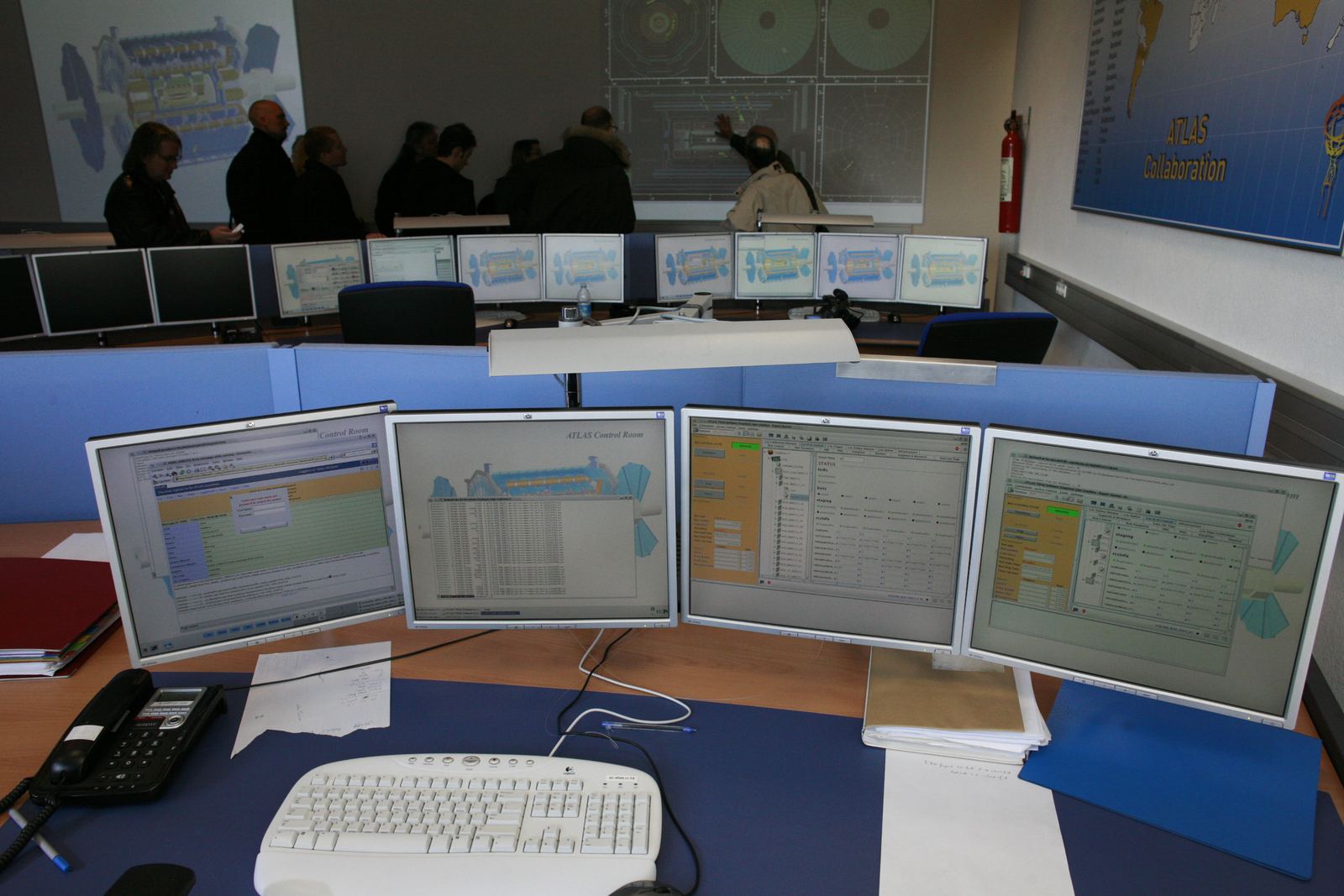
One screen that shows the process as it actually is.
Temperatures, pressures, flow, output, alarms and energy — live and historised. Operators get screens built around the decisions they make on shift; managers get the report without asking anyone to export a spreadsheet. We rationalise the alarms before building the screens, because a list nobody trusts is worse than none.
- Plant and line mimics, operator workflows
- Alarm rationalisation, routing and escalation
- Historian, trending and batch records
- OEE, downtime reasons and energy reporting
Good fit when — production numbers are reconstructed by hand, or a fault is only visible at the machine.
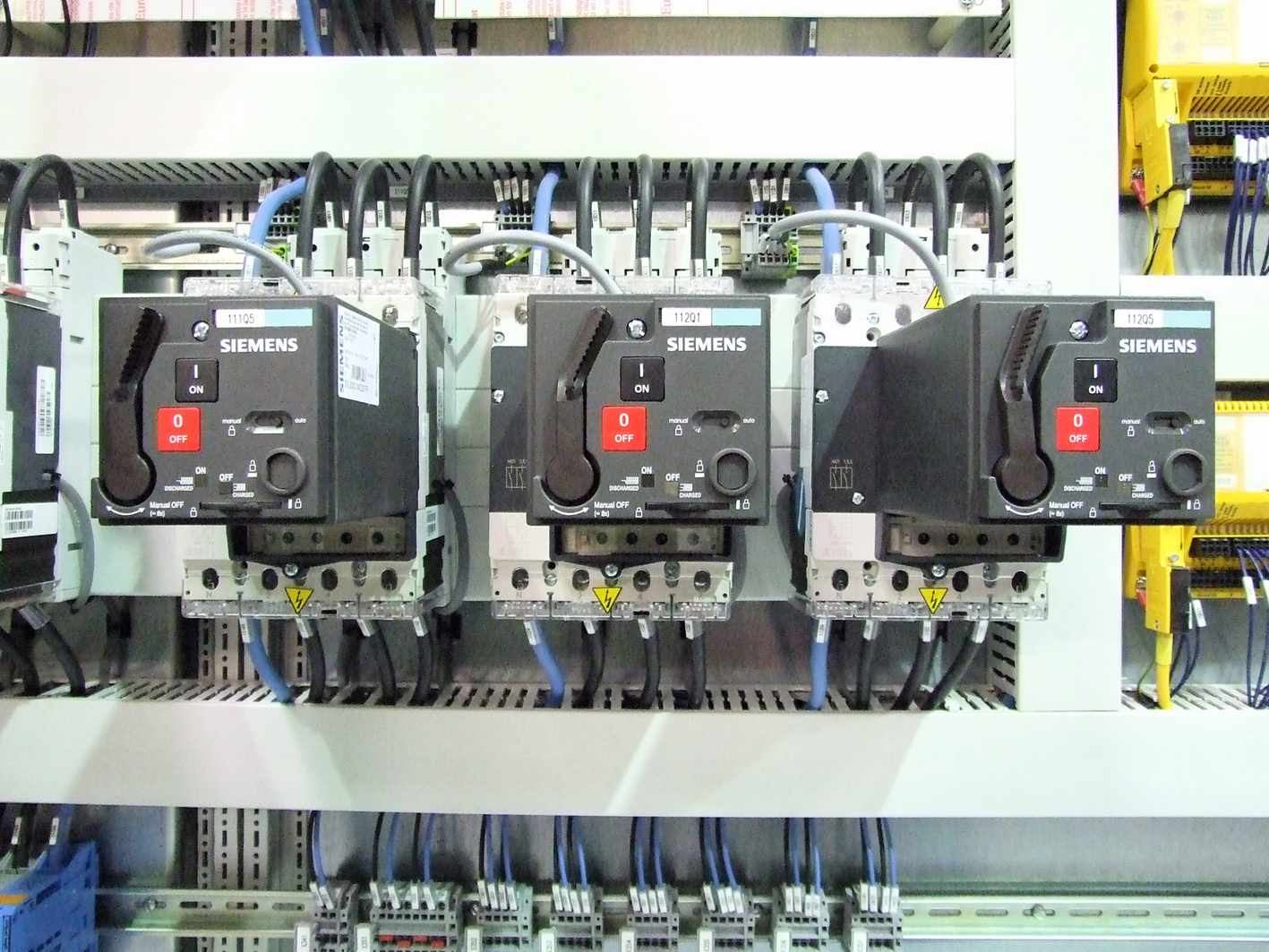
Built in our workshops, tested before they leave.
Control panels, MCCs and drive cabinets wired to drawing and bench-tested. Washdown-rated stainless for food and beverage, dust-rated for cement and minerals, and a labelling standard that still makes sense when someone opens the door in five years.
- Schematic design and panel layout
- Enclosure build, wiring and labelling
- VFD and soft-starter integration
- Factory acceptance test, witnessed if you want
Good fit when — you need a panel to spec on a fixed date, or the existing drawings are fiction.
Every panel is built in the same four tiers.
Legacy lines brought forward inside a planned shutdown.
Relay logic and obsolete PLCs migrated without replacing the machine. We stage it so the line runs on the old system until the new one is proven, and keep the mechanical assets you have already paid for. After handover, an AMC covers a 24-hour callout, remote diagnostics and a scheduled health check — with engineers who already know your plant.
- Obsolescence audit and migration plan
- Reverse engineering of undocumented logic
- Staged changeover inside your window
- Annual maintenance contract, 24-hour callout
Good fit when — spares are hard to find, the machine is sound, and full replacement cannot be justified this year.
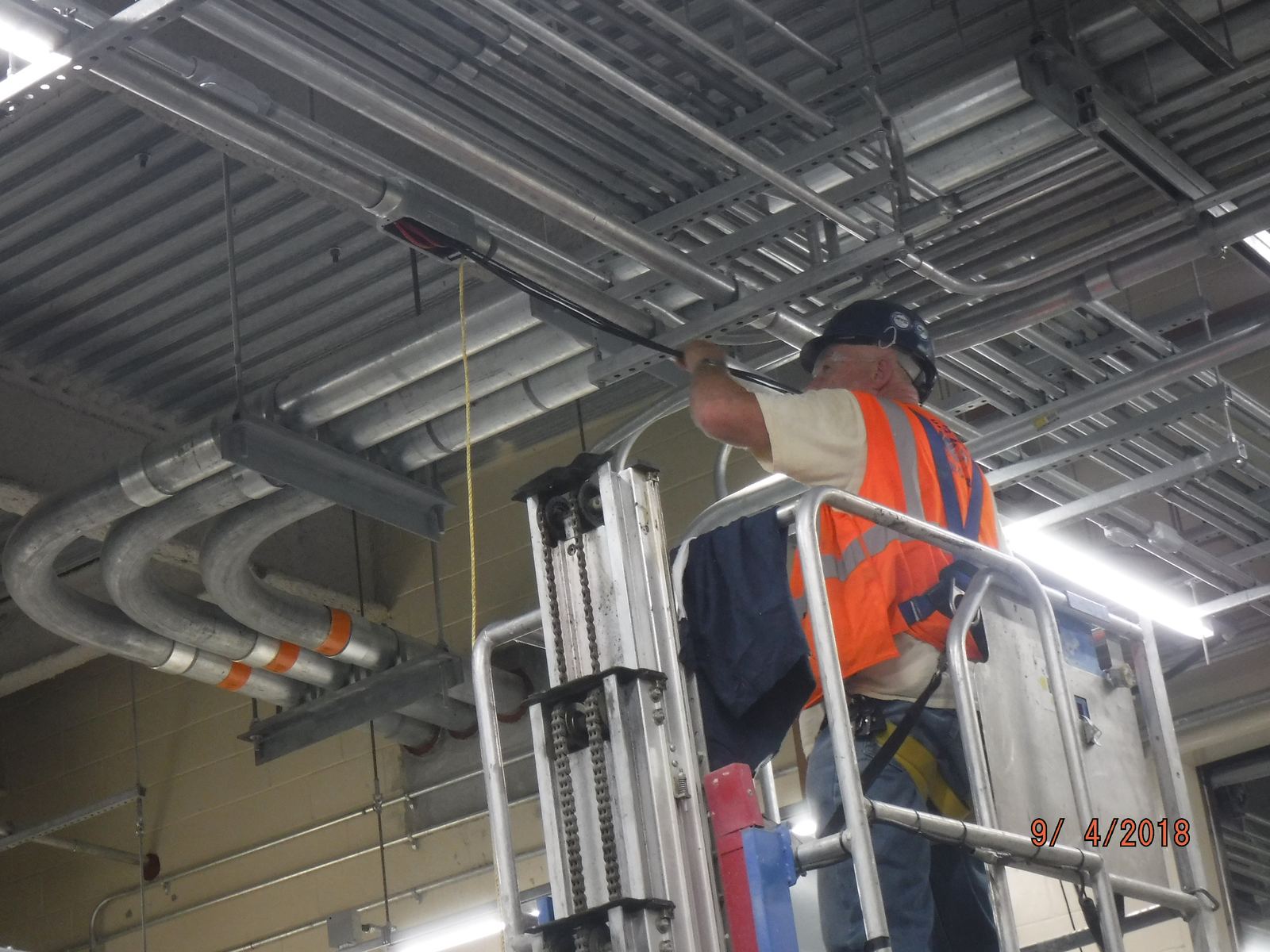
The kit on the other end of the wire.
A panel is only half the job — most of what we specify, wire and commission lives out on the machine. These are the parts we fit most, whatever the vendor badge on them says.
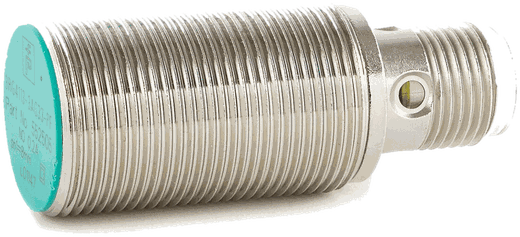 Inductive proximity sensorDetects metal without touching it. The workhorse position sensor on conveyors, indexers and guards.
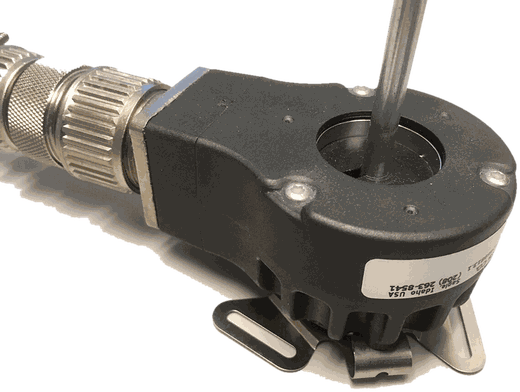 Rotary encoderShaft position and speed fed back to the controller — registration, cut-to-length, synchronised drives.
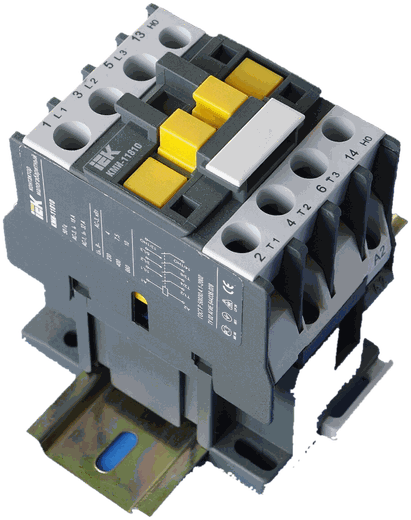 ContactorSwitches motor power on command from the control circuit. Where the logic becomes horsepower.
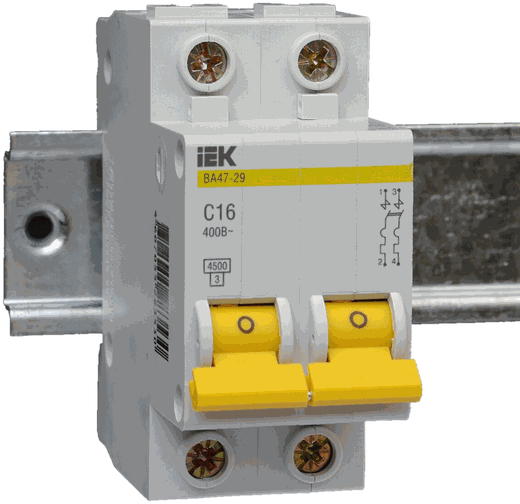 Miniature circuit breakerProtection per circuit, so a fault trips one feeder rather than dropping the whole panel.
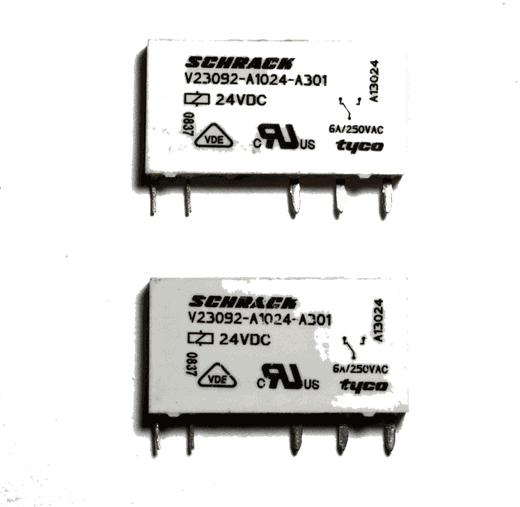 Interposing relaySits between controller and load, so a 24 V output never has to switch a motor contactor directly.
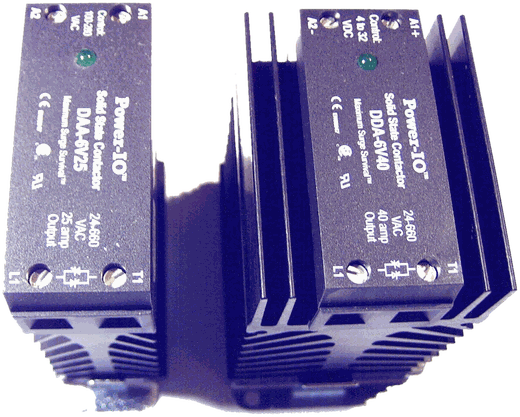 Solid-state relaySwitches without contacts to wear out — heaters and anything cycling far too often for a mechanical relay.
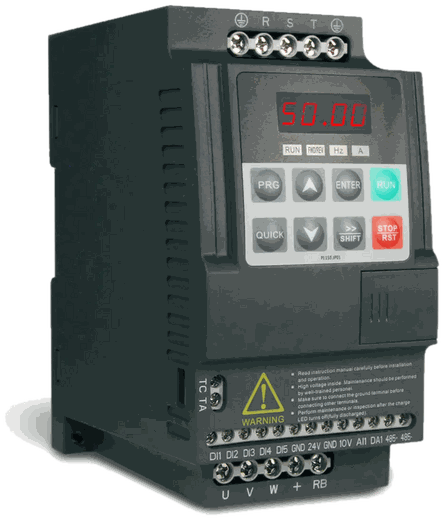 Variable frequency driveRuns a motor at the speed the process actually needs, with soft starting and lower energy draw.
What you receive, on every job
| Document | When | Why it matters to you |
|---|---|---|
| Functional design spec | Before build | Fixes the scope and the price. Nothing is built on a verbal agreement. |
| I/O list and schematics | Before build | Your electricians can work on the panel without calling us first. |
| FAT and SAT records | At test | Evidence each function was proven, signed by both sides. |
| Commented source code | At handover | The plant is yours. You are never locked to us for a change. |
| As-built drawings | At handover | What is actually installed, not what was originally drawn. |
| Operator training | At handover | Shift teams can run and fault-find without waiting for a callout. |
Not sure which of these you need?
Send the machine, the problem and your shutdown window. An engineer will tell you which service applies — including when the answer is that you do not need us yet.