01
Nothing starts on a verbal agreement
Every job begins with a functional design specification you sign. It fixes the scope and the price, and it is the document we are measured against at handover — which protects you far more than it protects us.
 QS EngineeringStart a Project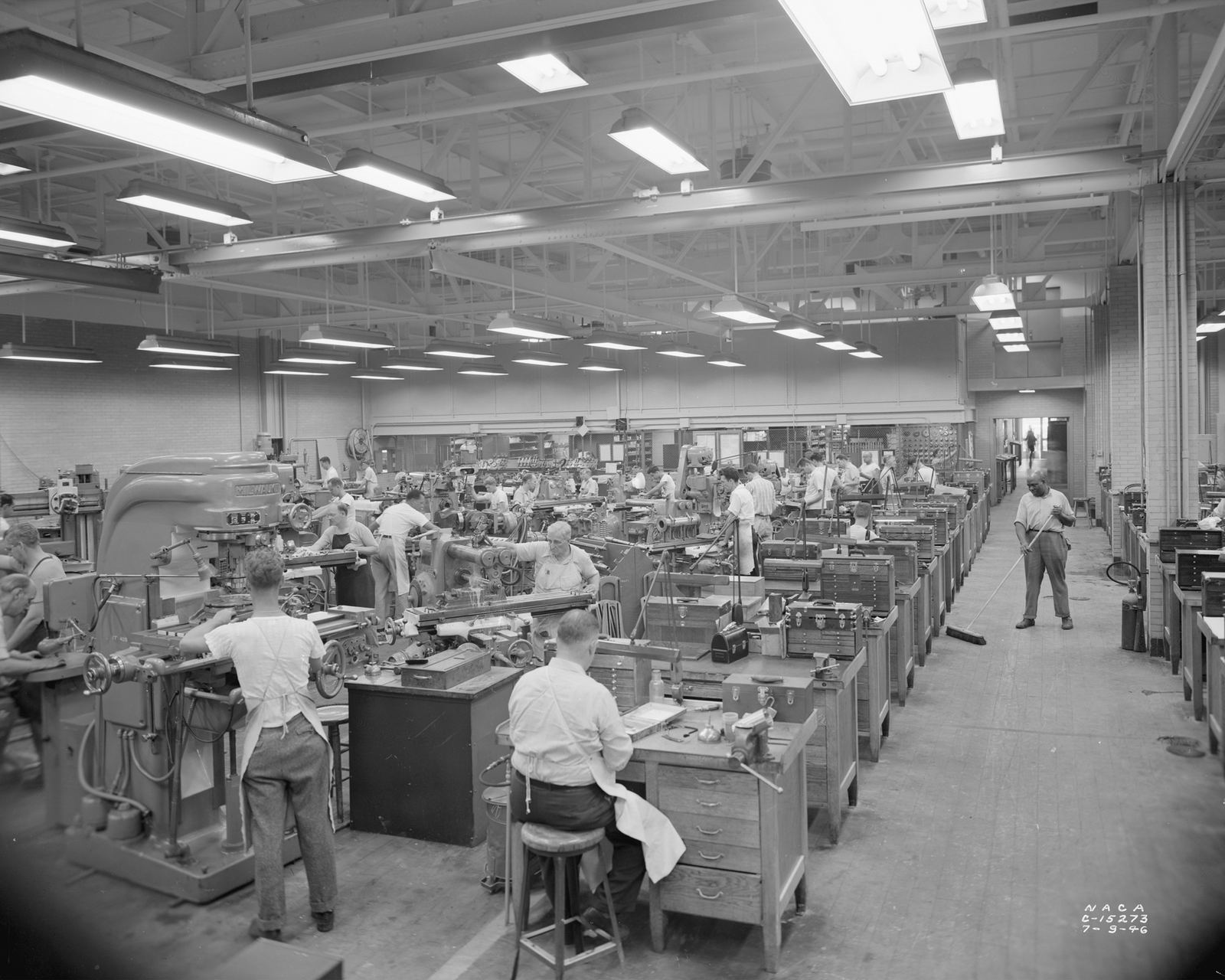
Sixty-two engineers, four locations, one job: make production lines run predictably and leave the people who own them able to maintain what we built.
In 2008 we were three people in a rented unit, building control panels for a cement plant that could not get its conveyor sequencing to shed load properly. We fixed it, documented it, and were asked back for the kiln.
The pattern has not changed much since. Almost every client started with one machine and one problem, and almost none of them came from a tender document — they came from an engineer who had worked with us somewhere else.
We are now sixty-two people across four locations, working in food and beverage, pharmaceutical, cement and minerals, water, textiles and power. Two of those locations are workshops, because we would rather build the panel ourselves than argue with a subcontractor about a wiring standard.
Seventy-eight percent of the work each year comes from people we have already worked for. That number is the only marketing claim on this page we would defend in a meeting.
“A plant you cannot maintain without calling us is not really yours — and a supplier who relies on that is not worth keeping.”
Panel building for a single cement plant.
Plant-wide visibility for a water utility.
Panel build brought fully in house.
GAMP 5 practice and first client audit passed.
South depot and the breakdown line.
240+ systems delivered, 78% repeat work.
Every job begins with a functional design specification you sign. It fixes the scope and the price, and it is the document we are measured against at handover — which protects you far more than it protects us.
There is no handoff to a separate site team. The person who designed the logic is standing at the machine when it first runs, at three in the morning if that is when the window is. It changes how carefully code gets written.
As-built drawings, commented source and an operator training session, every time. Nobody should be the single person who understands a plant — including us.
| Head office | Design office, SCADA development, project management |
|---|---|
| North workshop | Panel build, factory acceptance testing, apprentice intake |
| West workshop | Panel build, MCC assembly, drive test bay |
| South depot | Service engineers, spares holding, 24-hour callout base |
Founded the company in 2008. Still writes the odd functional design spec.
Owns the design standards and signs off every specification.
Runs both build workshops and the apprentice programme.
Answers the breakdown line and holds the maintenance contracts.
Certificates are available on request, and we are happy to be audited — several of our pharmaceutical clients have.
The fastest way to judge an automation supplier is to look at their wiring. Both workshops are open to visitors, and a scoping visit to your plant costs you nothing.