
Same engineering. Very different constraints.
A washdown line and a kiln are both control problems — but the paperwork, the enclosure rating and the cost of a false stop are nothing alike. Pick a sector.
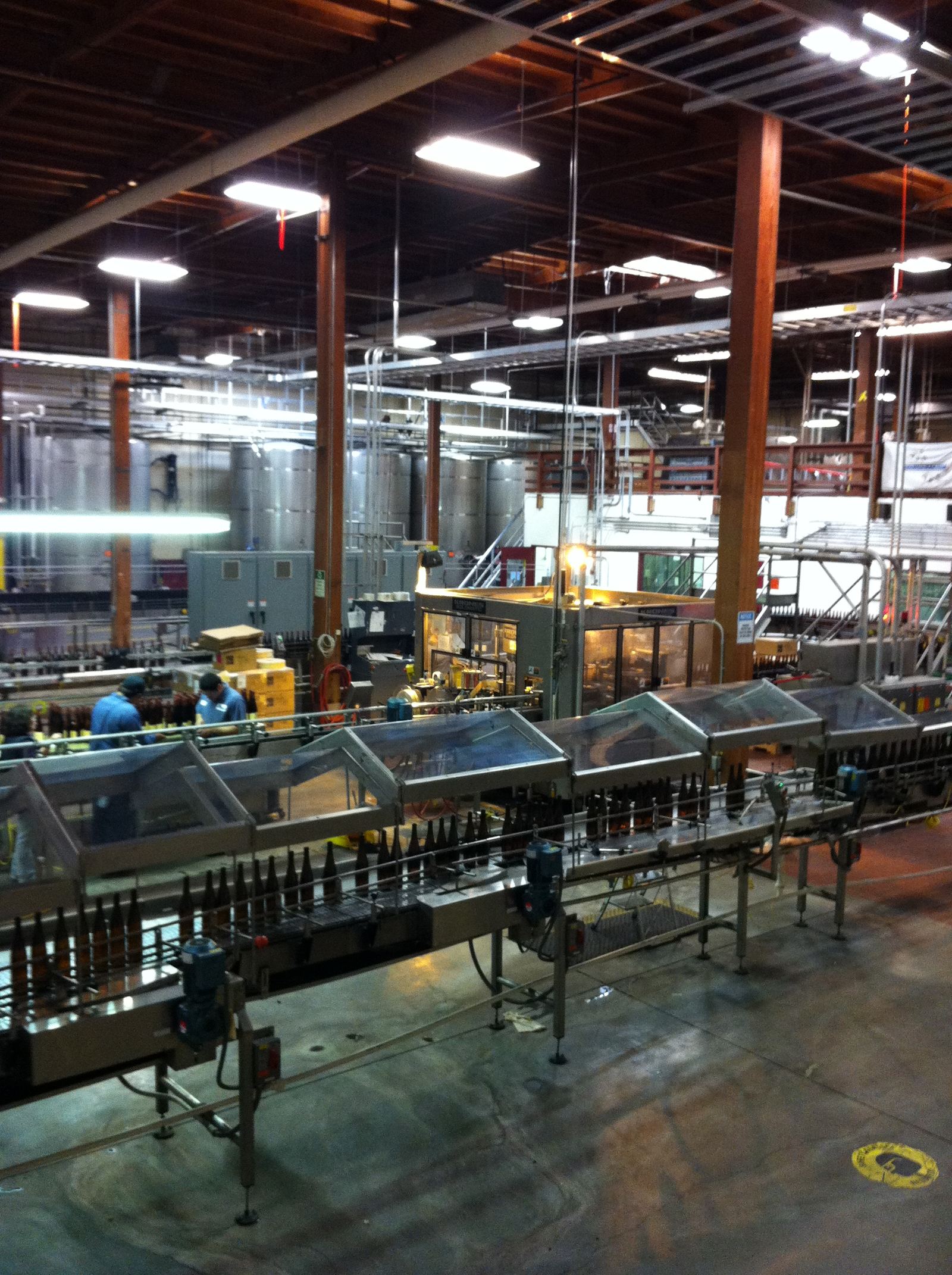
Food & beverage
01Batching, CIP verification, washdown panels, traceability.
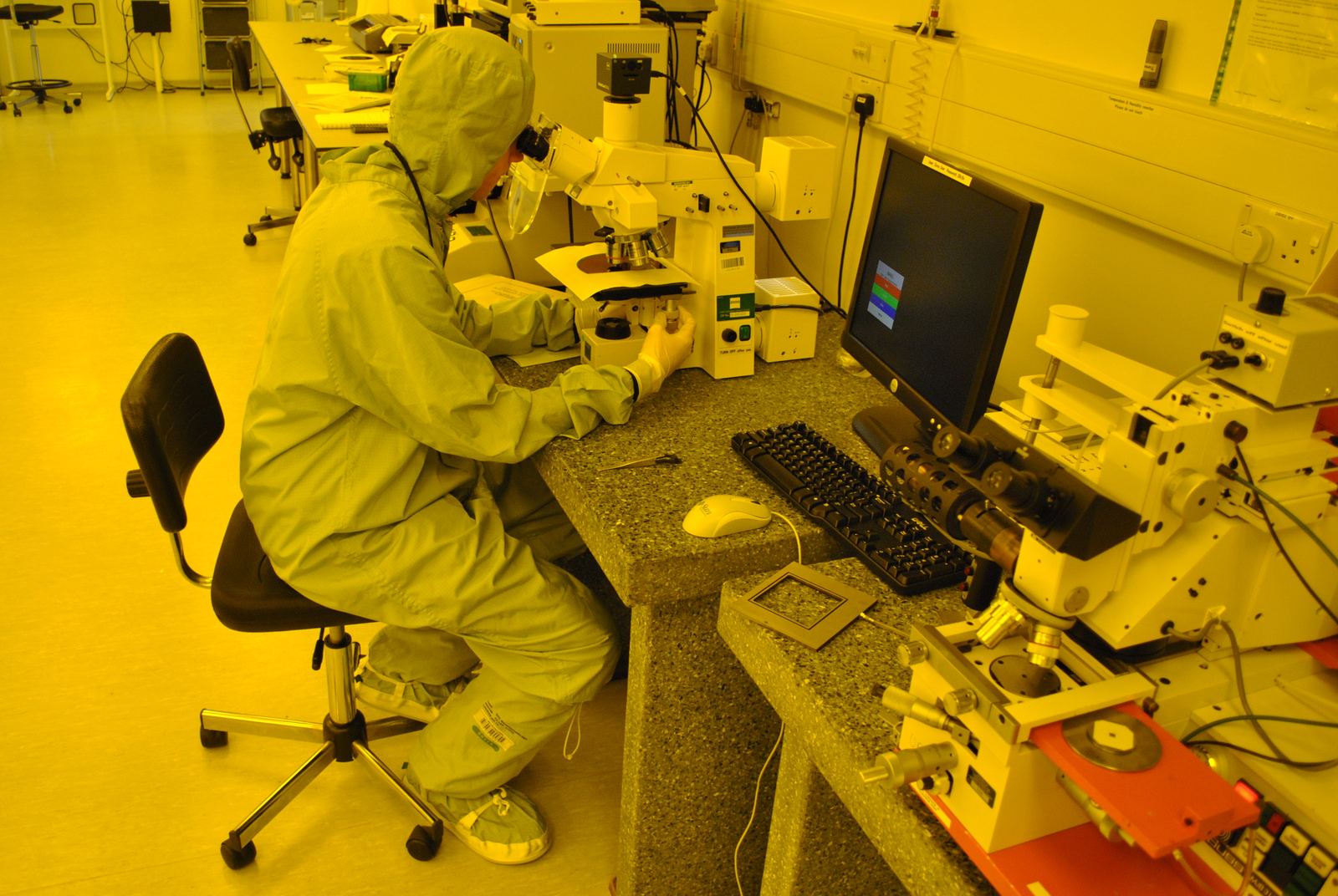
Pharmaceutical
02GAMP 5, audit trails, validated change control.
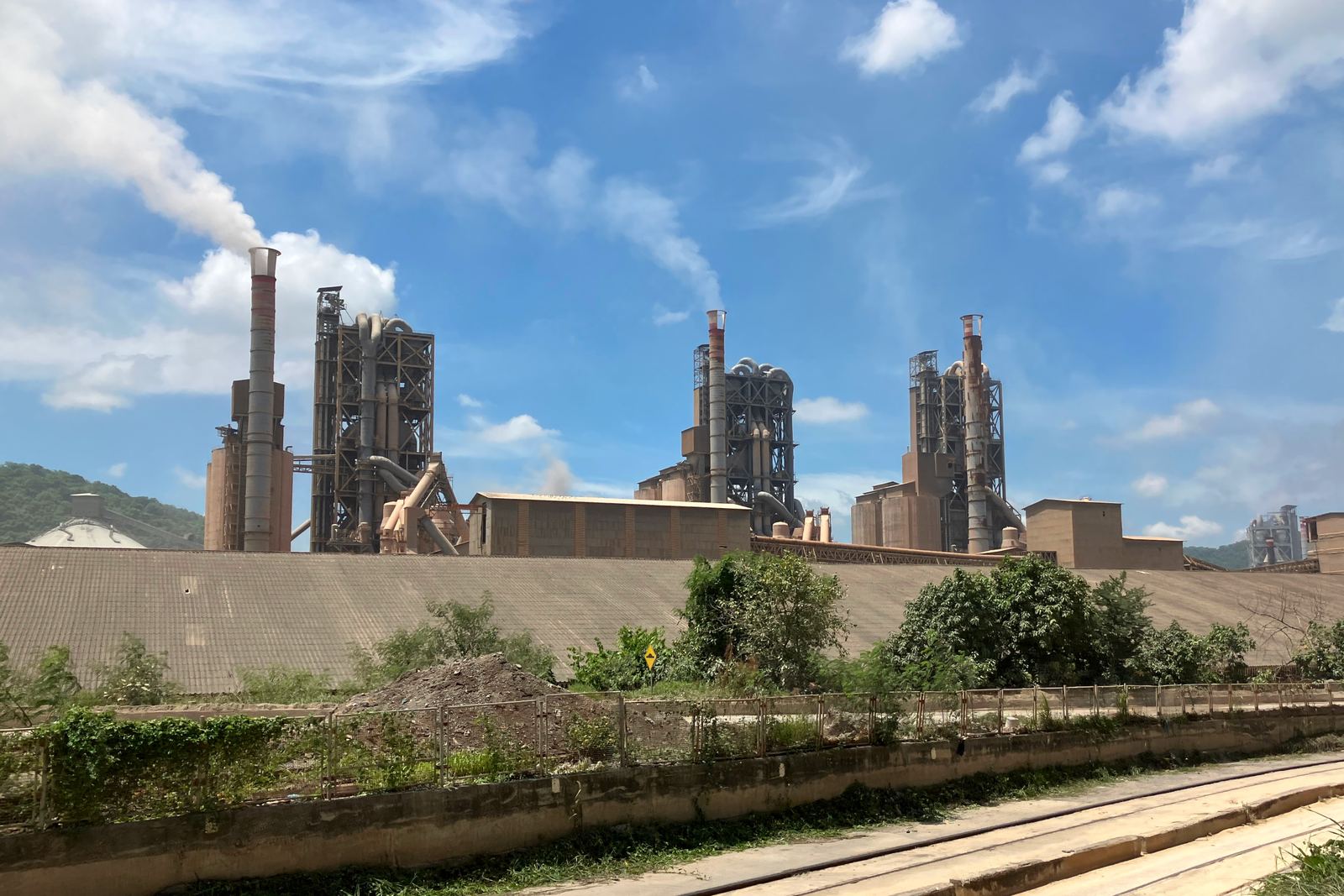
Cement & minerals
03Cascade starts, load shedding, dust-rated enclosures.
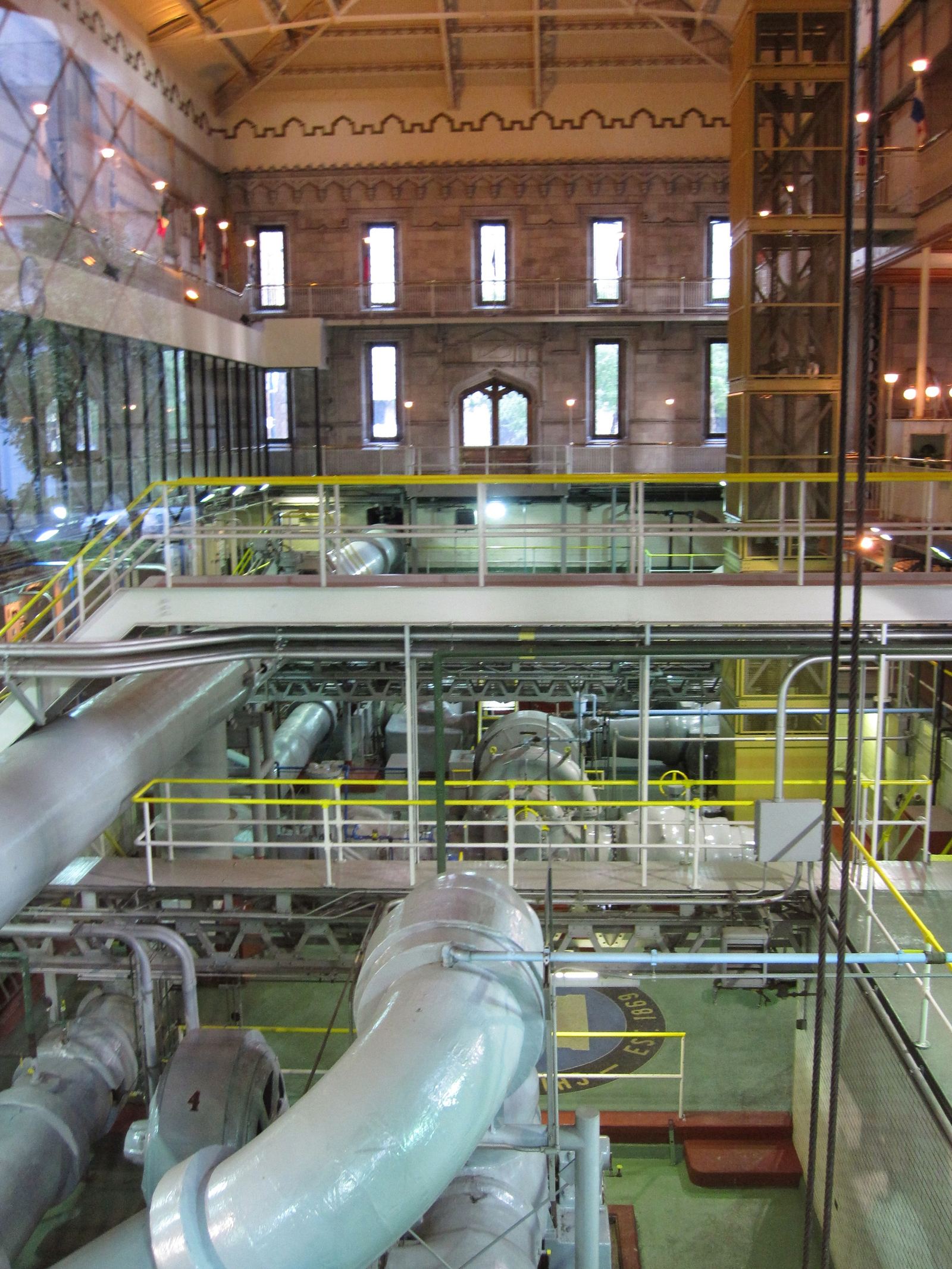
Water & utilities
04Telemetry, autonomous pump control, roster alarms.
Textiles
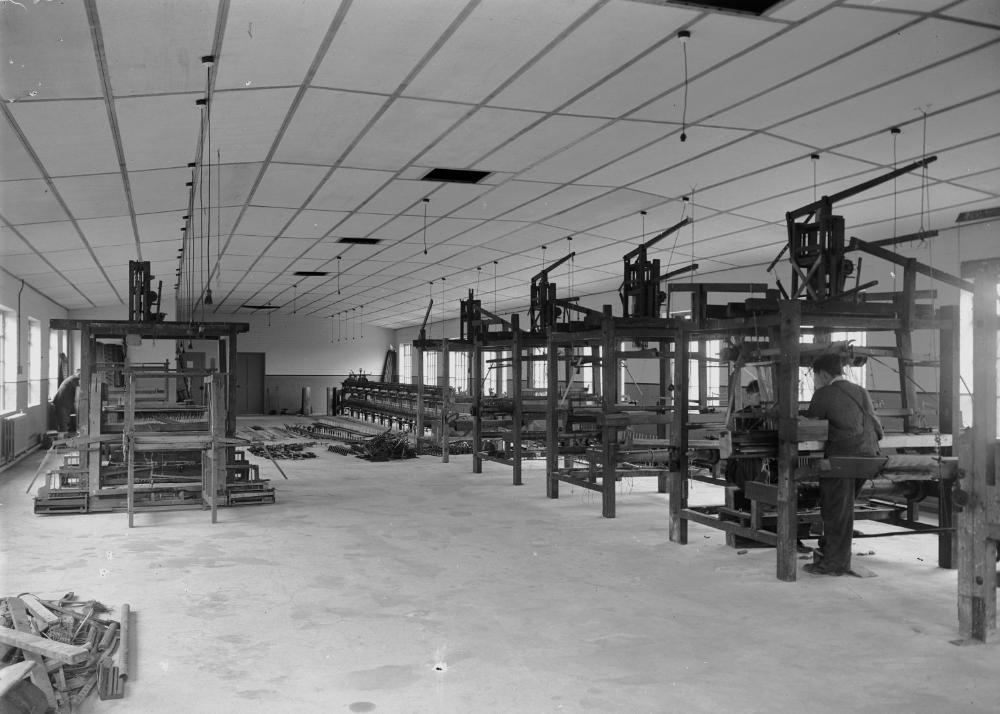
05Drive synchronisation, tension control, energy metering.
Power & energy
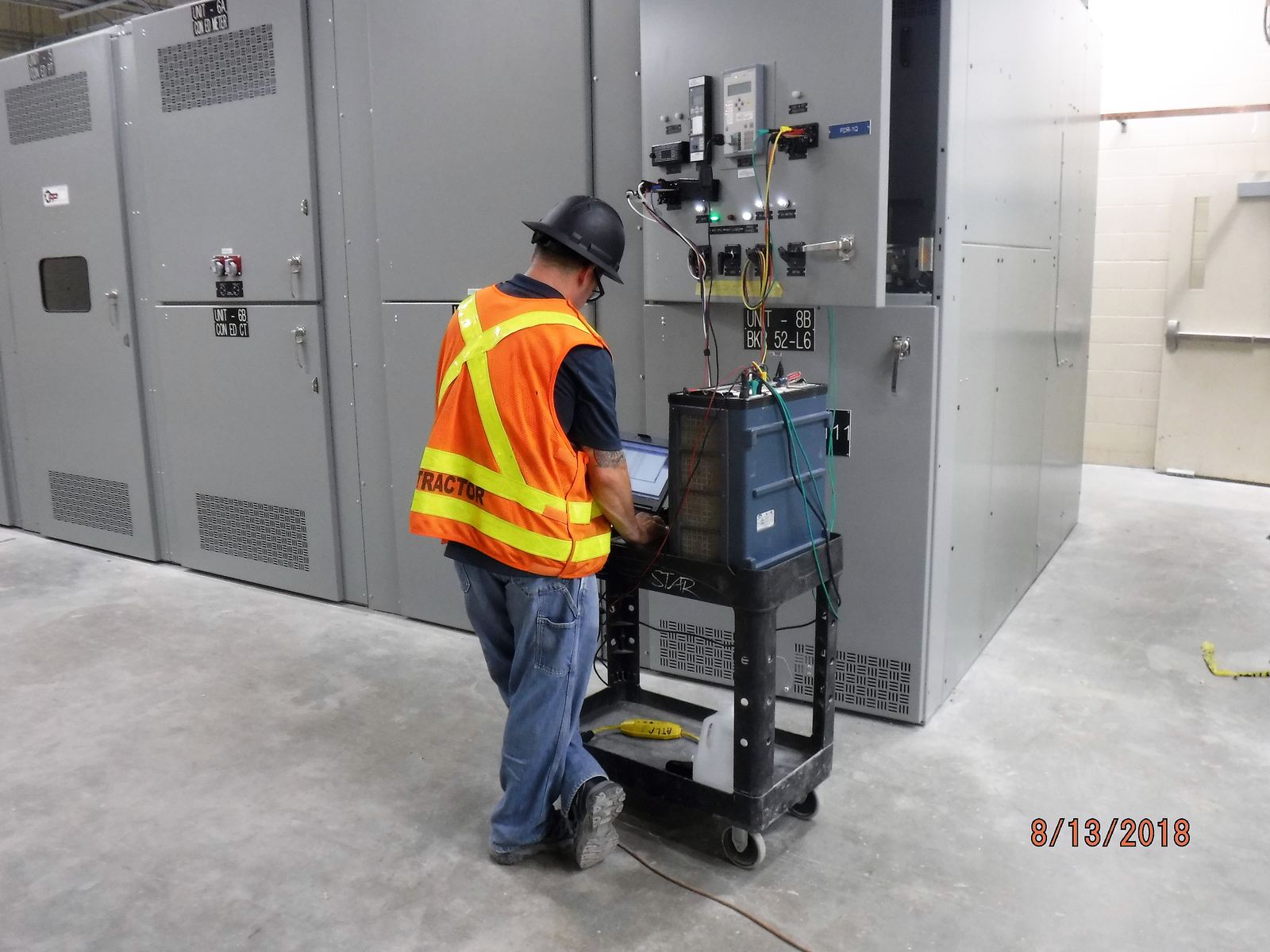
06Substation automation, synchronising, load management.
Recipe-driven, washed down daily, changed over in minutes.
CIP cycles have to be provably complete, and the quality team needs a record they can stand behind. We build stainless washdown-rated panels, sequence CIP with interlocks that cannot be short-cut on a bad shift, and capture output and downtime reasons at the machine so OEE is not reconstructed from memory.
- IP69K washdown enclosures and hygienic cable entry
- Recipe management with operator-proof changeover
- CIP verification and traceable batch records
- Downtime reason capture at the machine
- GAMP 5 categorisation and IQ / OQ documentation
- Audit trails, user levels and electronic signatures
- Change control that survives an inspection
- Environmental monitoring and alarm attribution
Here the documentation is the deliverable.
Every change is qualified, every user action attributable, and an undocumented tweak during commissioning is a finding waiting to happen. We work to GAMP 5 categories, write the URS-to-FDS trace so validation is not archaeology, and build audit trails into the SCADA layer rather than bolting them on afterwards.
Heavy, dusty, hot, and expensive to stop.
A kiln does not care that it is the weekend, and a conveyor trip halfway down the chain has to shed load in the right order or you are digging material out by hand. Our work here is long conveyor sequencing, drive coordination, dust-rated enclosures with proper thermal management, and instrumentation that stays readable coated in product.
- Cascade start and controlled load shedding
- Kiln and mill drive coordination
- Dust-rated panels with forced cooling
- Long-run field bus and remote I/O topology
- Cellular and radio telemetry with store-and-forward
- Autonomous pump control when the link is down
- Alarm escalation by roster, with acknowledgement
- Energy and flow reporting for regulatory returns
Assets nobody has visited this month.
Spread across a region, most unmanned, many older than the people maintaining them. The problem is less about speed and more about knowing what is happening at a remote site. We build pump control with local autonomy, telemetry that degrades gracefully when the link drops, and alarm routing by shift roster.
Several drives, one continuous web.
Tension is the whole problem: too little and it wanders, too much and it breaks, and either way the roll is scrap and the line is down for a re-thread. We tune drive synchronisation and closed-loop tension, meter energy per machine so the real cost of a slow line is visible, and make operator screens show trend rather than instantaneous numbers.
- Multi-drive synchronisation and electronic line shaft
- Closed-loop tension and dancer control
- Per-machine energy metering
- Trend-first operator screens
- Substation automation and IEC 61850 integration
- Generator synchronising and changeover
- Load shedding priorities and demand management
- Protection and control kept properly separate
Getting the sequence wrong damages plant, not product.
Switching, synchronising and shedding, where interlocking has to be provable rather than assumed. We do substation automation, generator synchronising and load management, with a clear separation between protection and control, and a mimic that tells the operator the true state of the switchgear.
Most of what matters transfers between sectors.
The differences are the enclosure rating, the paperwork and the cost of stopping. Tell us your process and we will say plainly whether we are the right people for it.